
Menu
Trademark Law & Unfair Competition
Trademarks, Infringement, and Unfair Competition
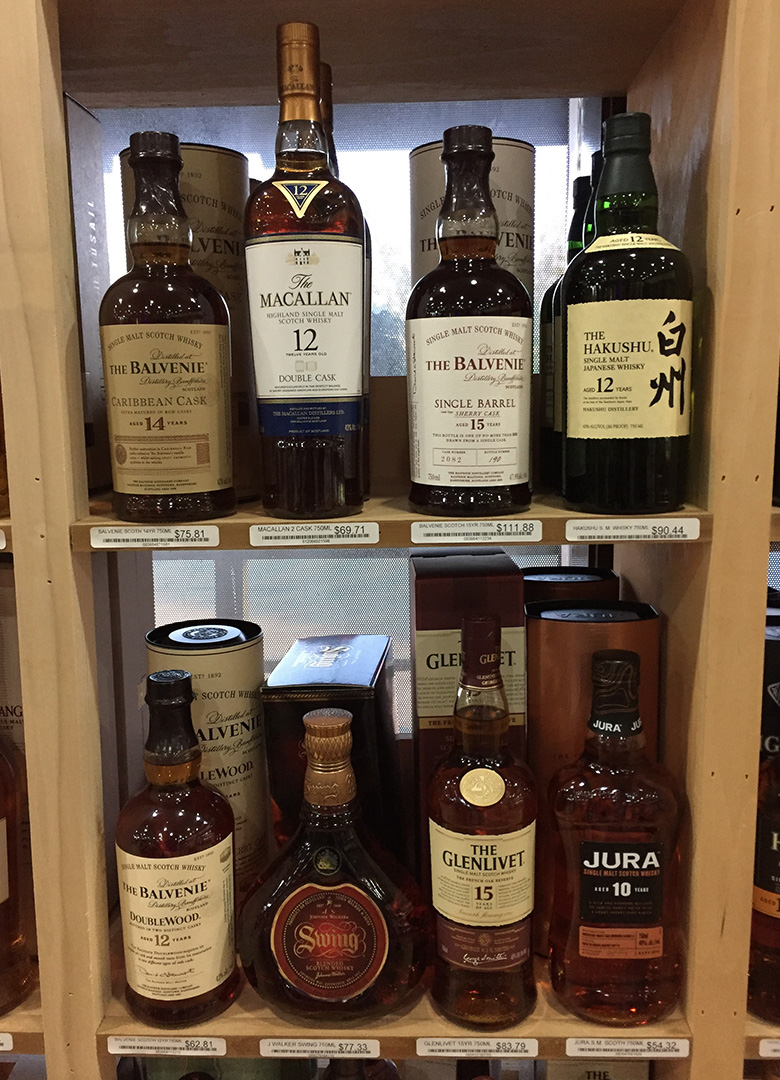
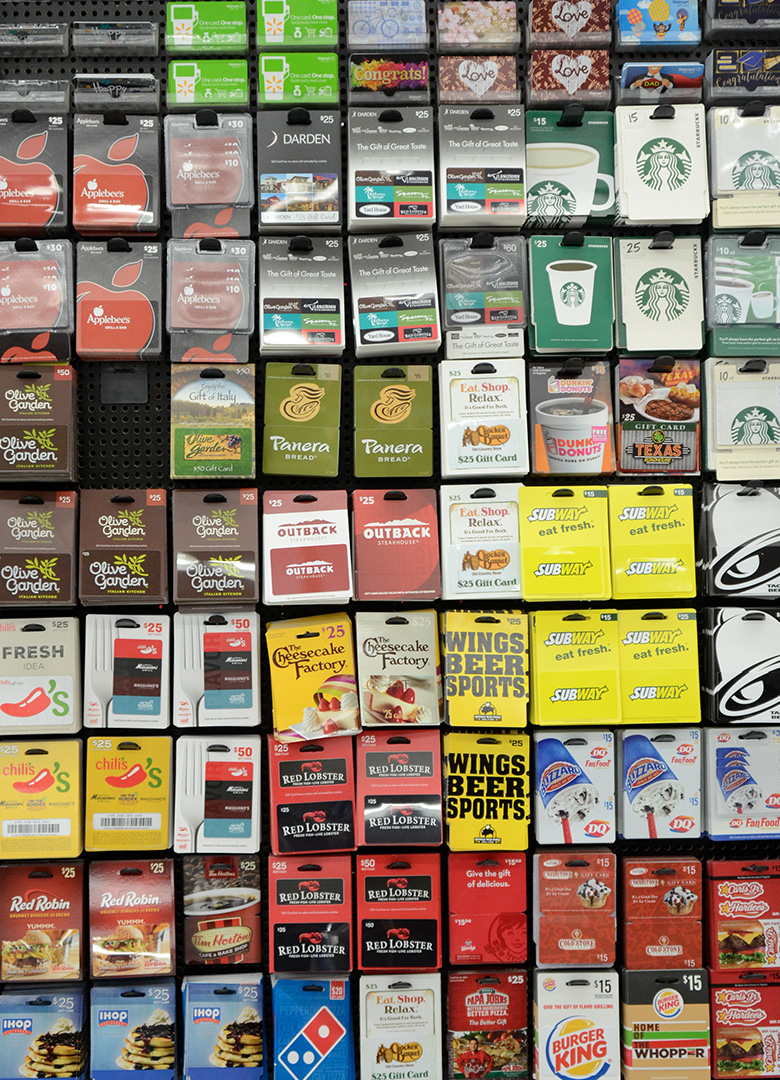
Trademarks are words, names, symbols, or other devices, or combinations thereof, used to identify and distinguish the goods of one seller from those of a competitor. A service mark is the same as a trademark, except that it identifies and distinguishes the source of a service rather than a product.
Marks perform an important function in the marketplace. As source identifying symbols, they provide consumers with a quick and easy method by which to select goods and services based on prior satisfaction with the good’s or service’s quality, features or reputation. Advertising and other influences on consumer behavior build brand loyalty. This enhances the mark owner’s earnings power — its goodwill, which is reflected in the value of the mark and the business.
A second user of the same or a similar mark who competes in the same product and geographic markets as the first user can sow confusion among the senior user’s customers, deceive them as to the source of the goods and services, take sales, and diminish the goodwill of the first user’s business. Similarly, a competitor who copies or mimics the trade dress of a competitor — the first user’s packaging scheme or non-functional, ornamental aspects of the product's design or packaging — can displace sales that might otherwise go to the user with superior rights, thus eroding its goodwill. To combat passing off and unfair competition, the law provides first users of distinctive marks and trade dress with rights in their trademarks and trade dress, but only to the extent they are used in the sale of the user’s goods or services.
Photographer Vincent Woolley
Trademark Searches
Unlike copyright, which is exclusively a matter of federal law, registered and unregistered trademarks and trade dress are protected at the federal and state levels. A manufacturer, distributor, retailer, E-commerce entrepreneur, artist, entertainment company or other user will want to carefully select and develop its mark or family of marks because they may one day become a valuable business asset, of unlimited duration, provided they maintain their source identifying function. Careful trademark selection begins with a search to determine if the desired mark resembles any already in use for the class or classes of goods and services (and related products) for which mark use is desired. This is done to avoid liability for infringement and the waste of resources consumed in developing a mark that may not be viable.

Photographer Vincent Woolley
Trademark Registration
The greatest level of protection is provided by registering a mark with the United States Patent and Trademark Office. Federal registration is available for distinctive marks used in interstate commerce and international trade. The advantages to federal registration include:
- a legal presumption of ownership of the mark and the exclusive right to use it nationwide in connection with the classes of goods and services designated in the trademark registration;
- public notice of a claim to ownership of the mark;
- a listing in the Patent and Trademark Office’s databases;
- the ability to prevent the importation of infringing foreign goods;
- the right to use the federal registration symbol “®”; and
- the ability to bring a lawsuit concerning the mark in federal court.
Registration at the state level, such as with the New York Department of State, gives property like rights too, but only in connection with intrastate use of the mark. While the owner of an unregistered mark can have superior rights to use of its mark because of first use, its rights are only coextensive with the geographic and product markets in which it operates.
Trademark Infringement and Unfair Competition Remedies
Policing a mark is important. Under federal and state law, trademark users who establish infringement or unfair competition may, among other things, recover money damages and lost profits, obtain an injunction prohibiting future infringements, and obtain the impoundment and destruction of the counterfeit or imitation goods. A court may also award treble damages and attorney’s fees. Further, an infringer can be prosecuted under federal and state criminal laws. Simply put, trademark infringement and unfair competition are serious business with significant economic and penal consequences.
Photographer Vincent Woolley
Legal Services
Glens Falls attorney Neil H. Lebowitz assists trademark owners with:
- Conducting trademark and service mark searches.
- Representing clients in proceedings, including trademark registrations, before the United States Patent and Trademark Office and the New York State Department of State.
- Counseling clients regarding cybersquatting claims.
- Assisting clients with the sale, assignment, and licensing of trademarks and related business interests.
- Advising clients regarding the scope of their trademark rights and the best way to police and enforce those rights, including what to do if another trademark owner alleges the client is infringing the other party’s mark.
For More Information
For assistance with your trademark matter, call or write the Glens Falls law office of Neil H. Lebowitz.
Practice Area
About Neil Lebowitz

Neil Lebowitz has been practicing law for over 28 years. His early career took him to California, where he worked for law firms involved in business and commercial litigation and regulatory law.
Read More About Neil For More Information